GENErator: Supporting Design Style Exploration with Generative AI through Genetic Mixing
Abstract
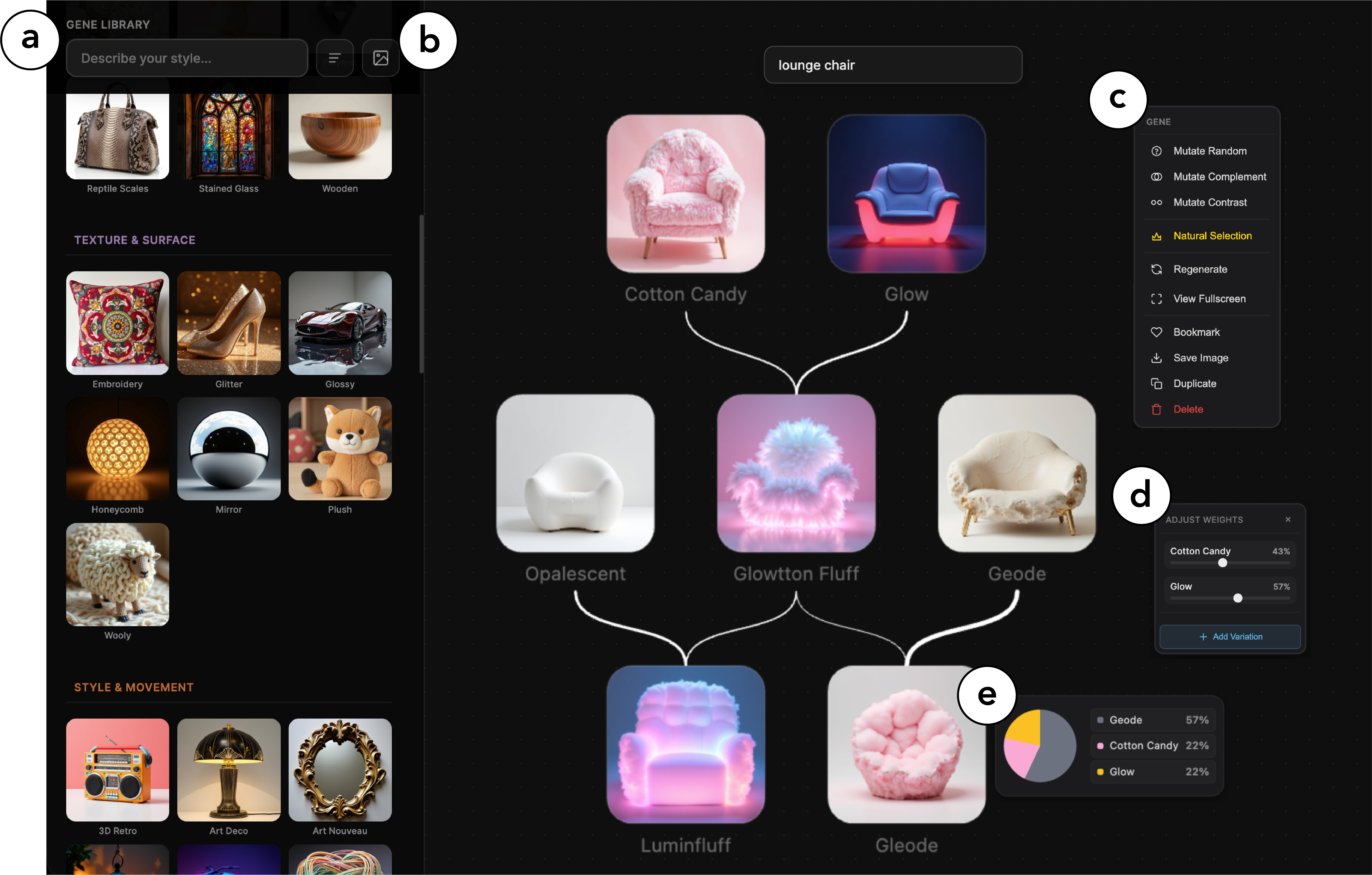
Generative AI models can now be fine-tuned into thousands of distinct visual styles, creating large design spaces for product designers to explore. However, current tools offer little support for navigating and combining these styles: designers resort to keyword search and opaque weight sliders, often fixating on familiar styles rather than exploring the diverse combinatorial space. To address these challenges, we developed GENErator, a proof-of-concept tool that treats each style as a "gene" in a navigable semantic style space, enabling genetic operations (crossover, mutation, and natural selection) for guided style exploration. In a within-subjects study comparing GENErator to a standard multi-style slider-based interface, we found that GENErator enabled significantly more diverse style exploration, improved designers' ability to navigate the style space, and supported a shift in interaction from linear trial-and-error toward structured branching where exploration is additive and traceable.
Video
Semantic Style Space
GENErator organizes 100 style genes in a semantic embedding space where visually similar styles are positioned nearby. Below is the gene library projected with PCA. Colors indicate style categories. Scroll to zoom, drag to pan, and hover for previews.
Semantic Search
Rather than browsing by name, designers can describe a desired aesthetic in natural language. The system ranks all 100 genes by semantic similarity to the query — for example, searching "luxurious" surfaces Luxury Gilded, Plush, and Glossy.
Crossover
The core operation in GENErator is crossover: two parent style genes are blended into a hybrid offspring at an adjustable ratio. Designers drag one gene onto another on the canvas to produce a new style that inherits characteristics from both parents.
Mutation: Complement vs. Contrast
GENErator supports two forms of mutation. Complement mutation refines a style by introducing a semantically nearby gene, staying within the same aesthetic family. Contrast mutation introduces a semantically distant gene, pushing the design in a maximally different direction. Below, six products are shown in their source style, then with a complement mutation applied, then with a contrast mutation — watch how each product transforms.
Natural Selection
Designers describe a target aesthetic in natural language (e.g., "luxurious"), and the system automatically evolves a population of style genes toward it. In each generation, candidates are scored by cosine similarity to the target in CLIP embedding space (shown as a fitness percentage). The fittest survive and breed new candidates from semantically related genes, progressively converging on the desired aesthetic.
Iterative Style Evolution
GENErator's evolution tree supports iterative refinement: each crossover or mutation builds on the previous offspring rather than starting from scratch. Below is one example trajectory from the user study, where a participant evolves a handbag design across six iterations — progressively adding, removing, and layering style genes. The gene pills show what changed at each step (green = added, red = removed).
Participant Designs
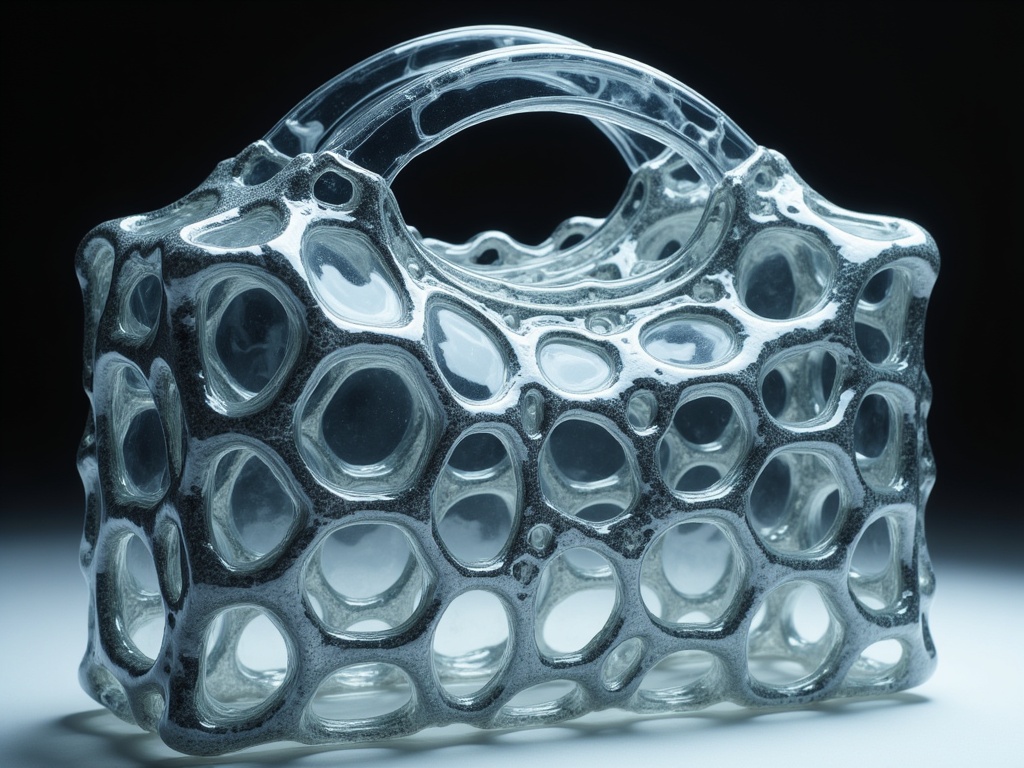
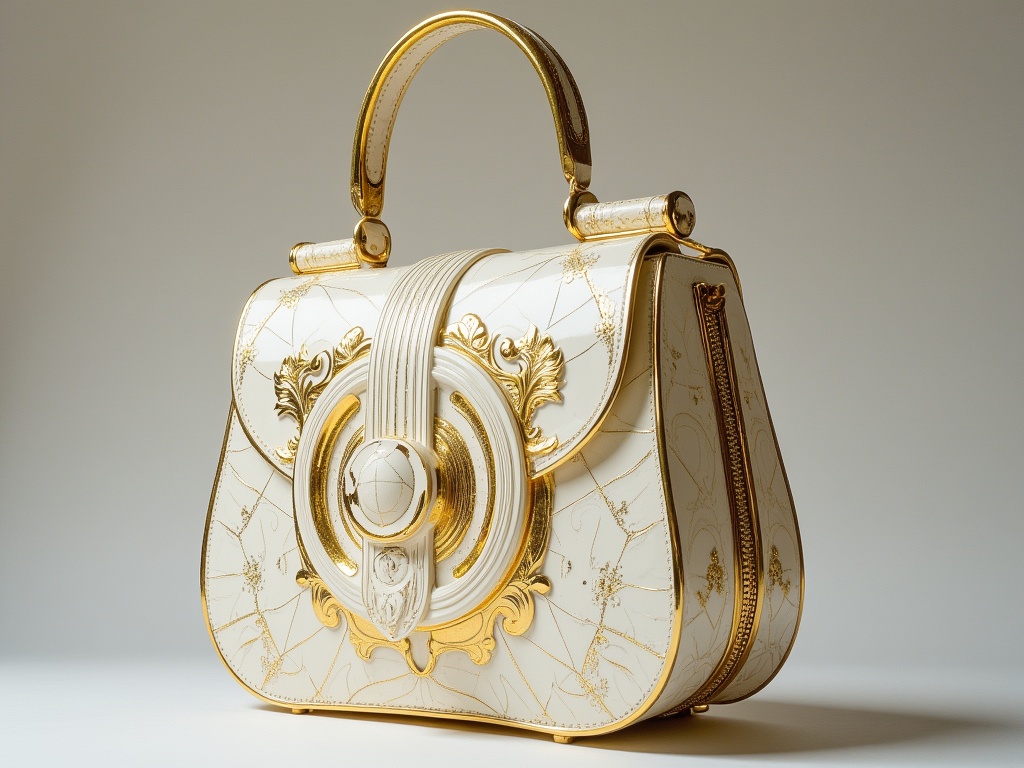
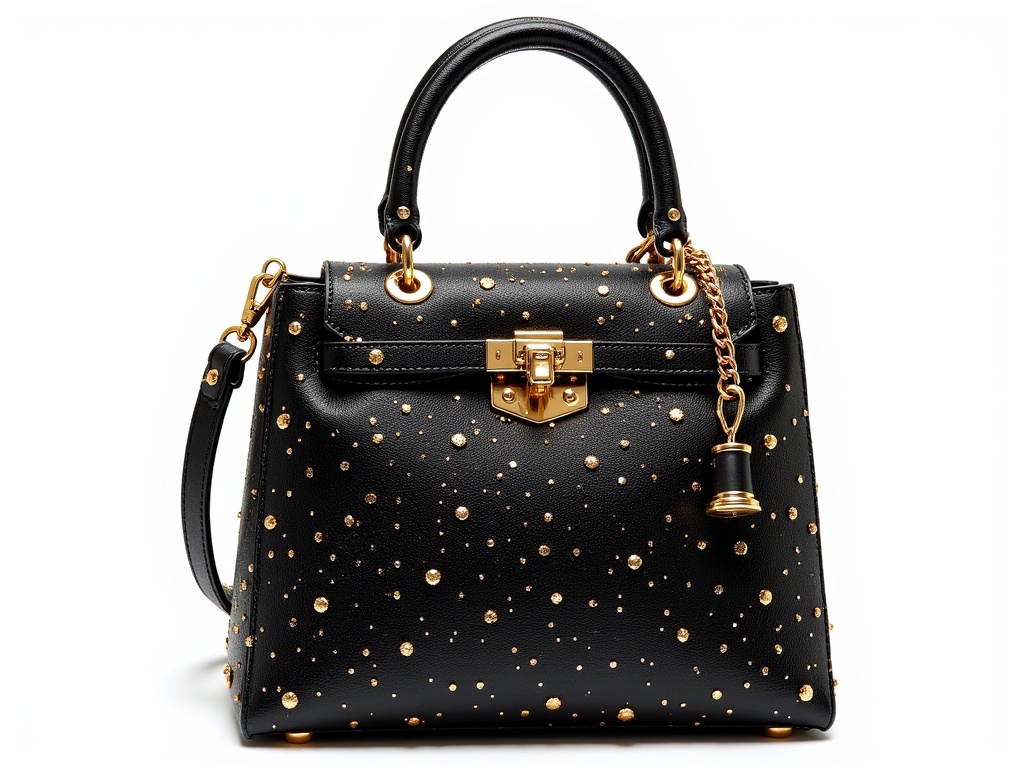
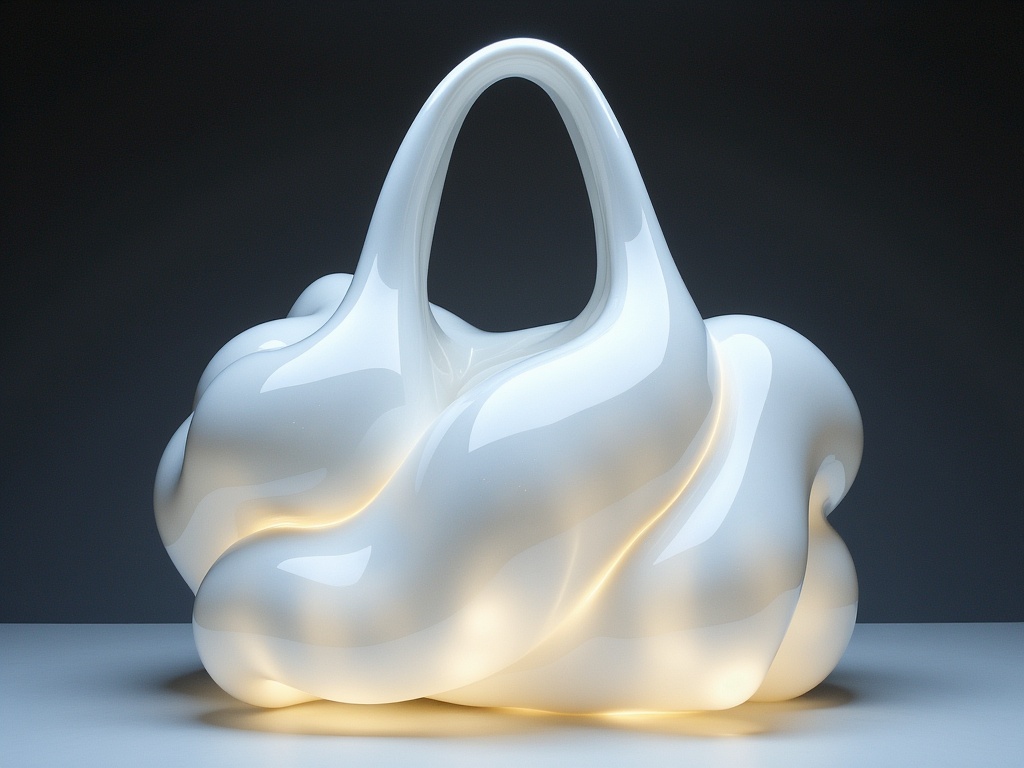
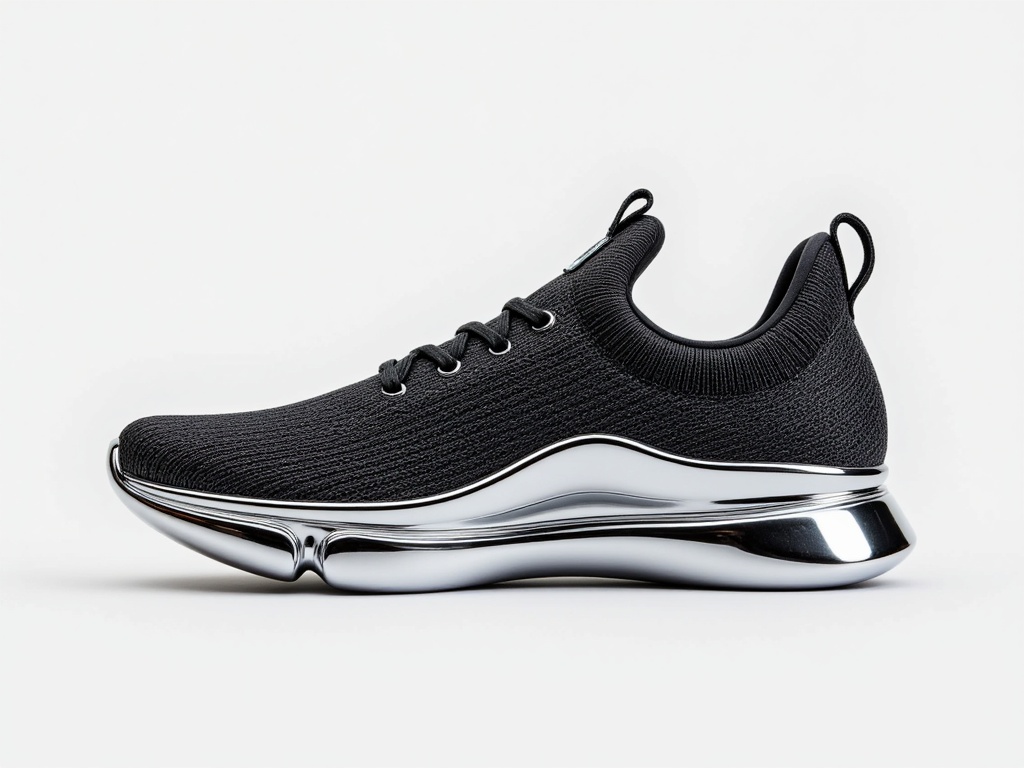
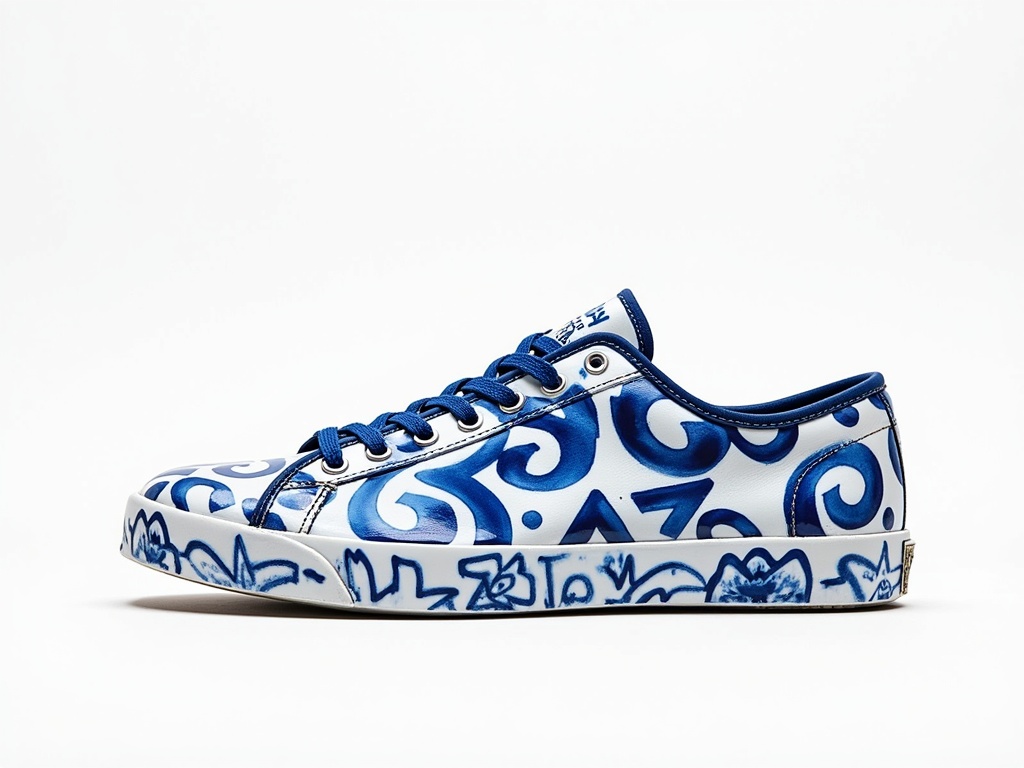
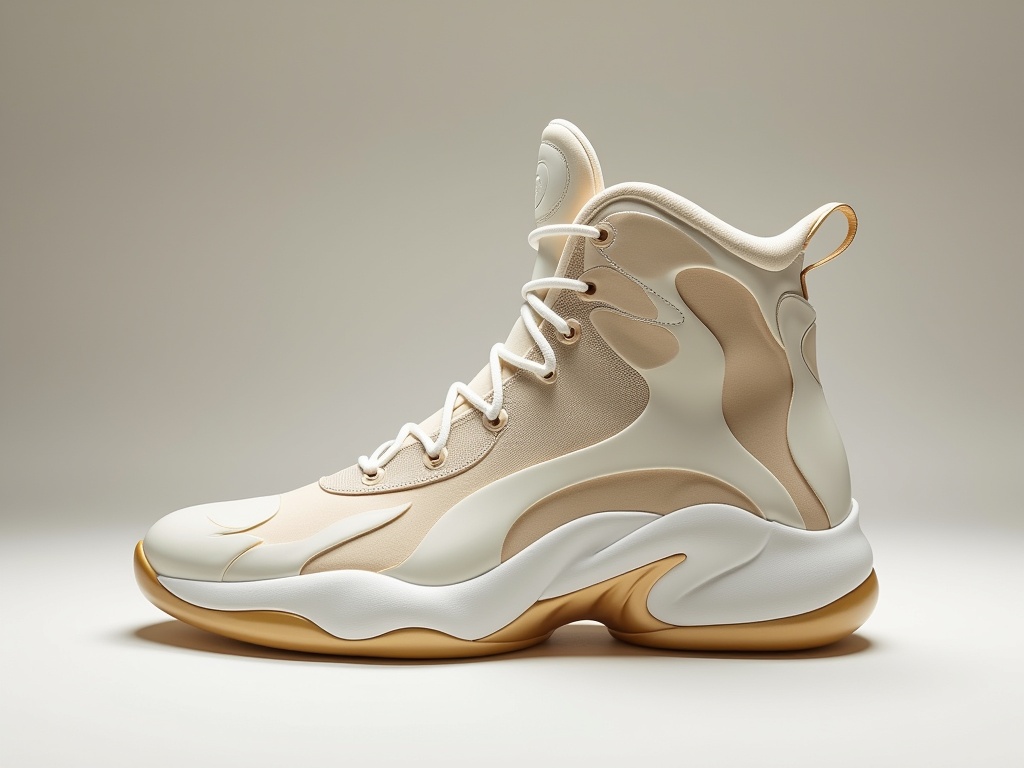
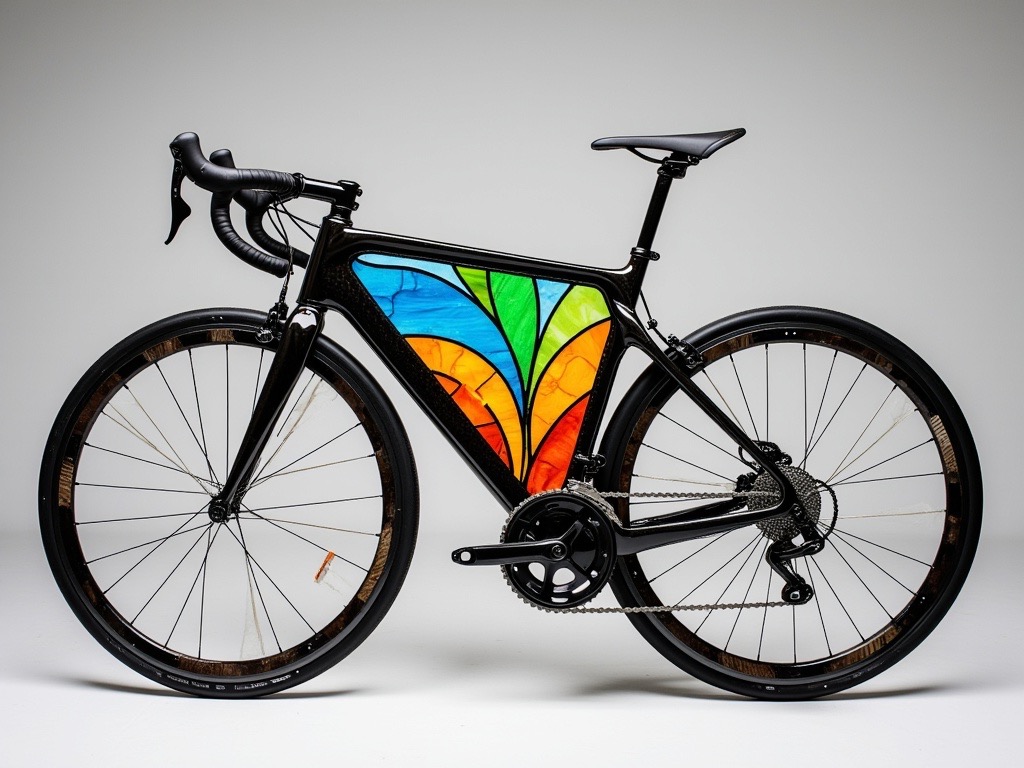
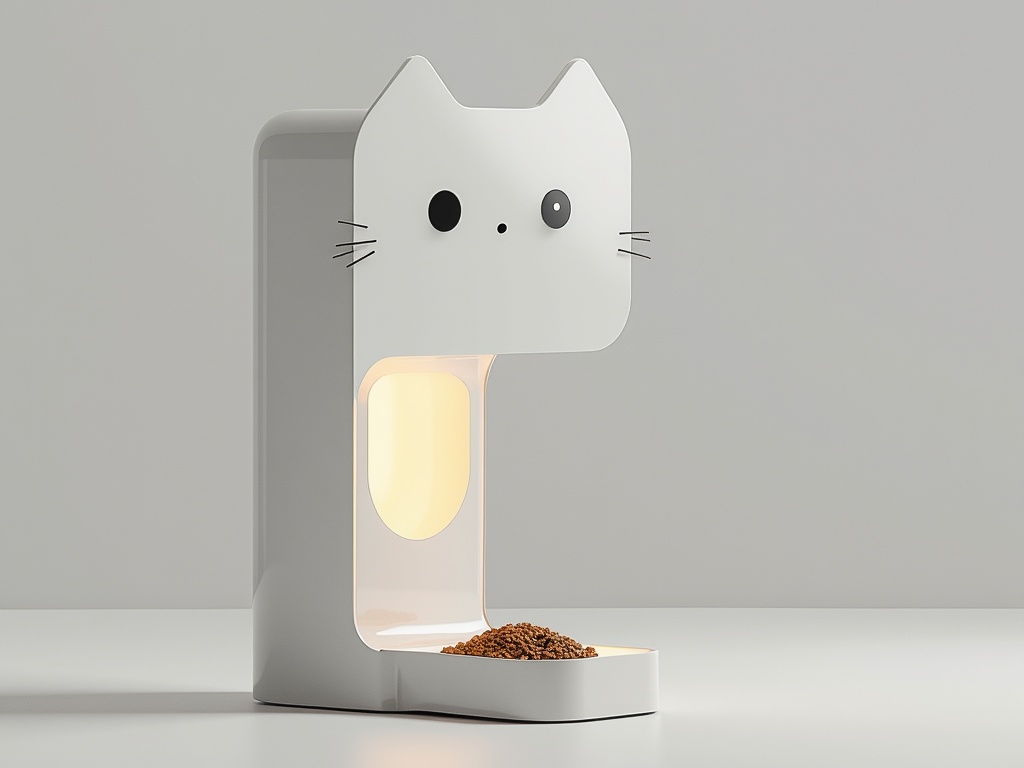
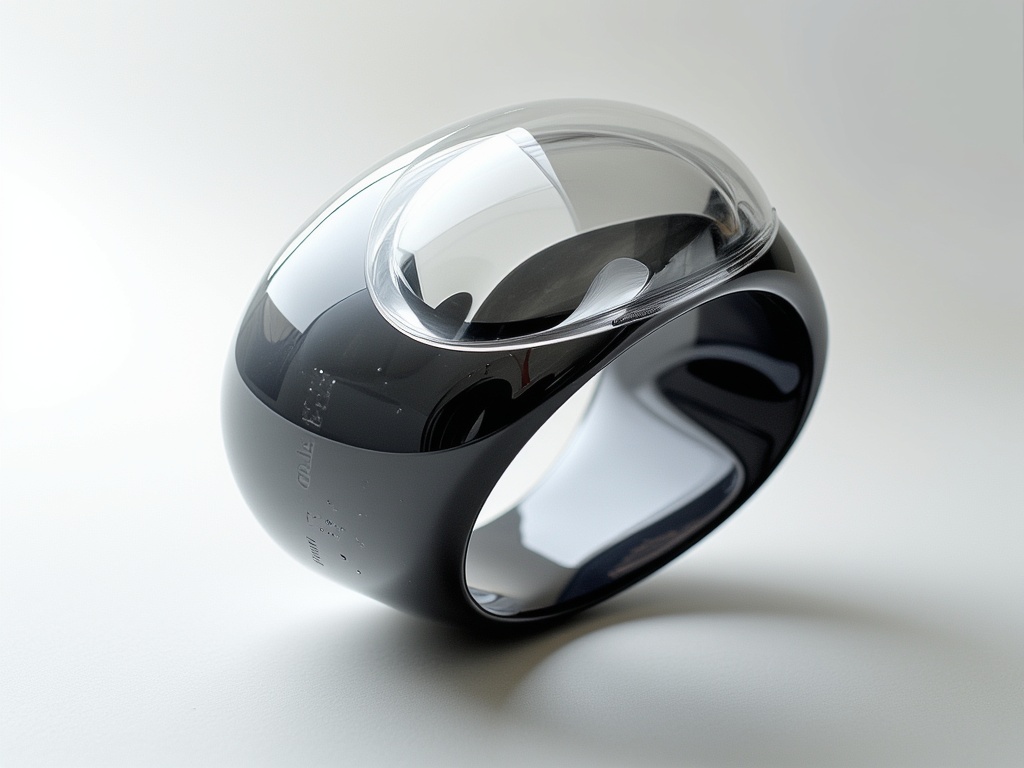
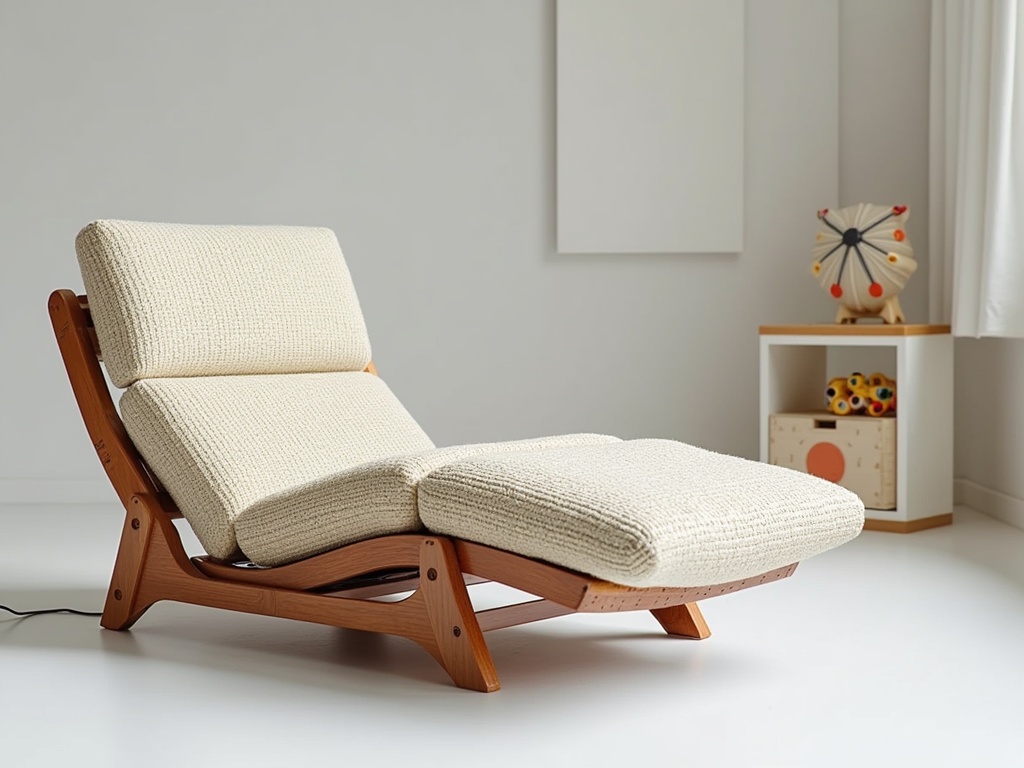
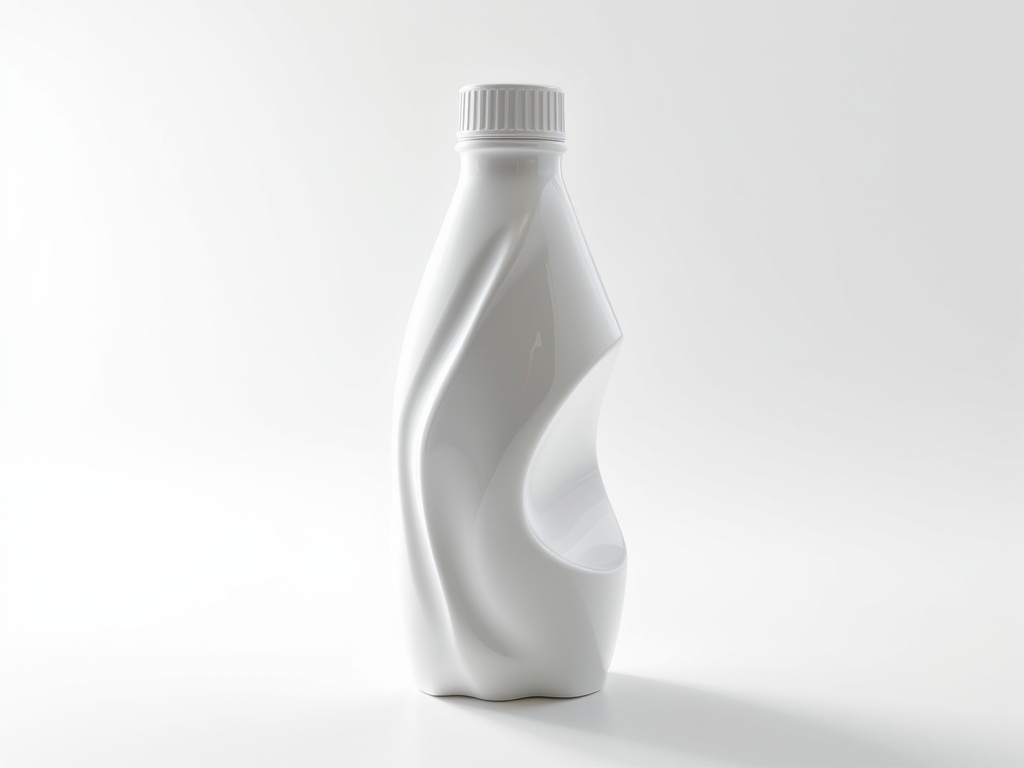
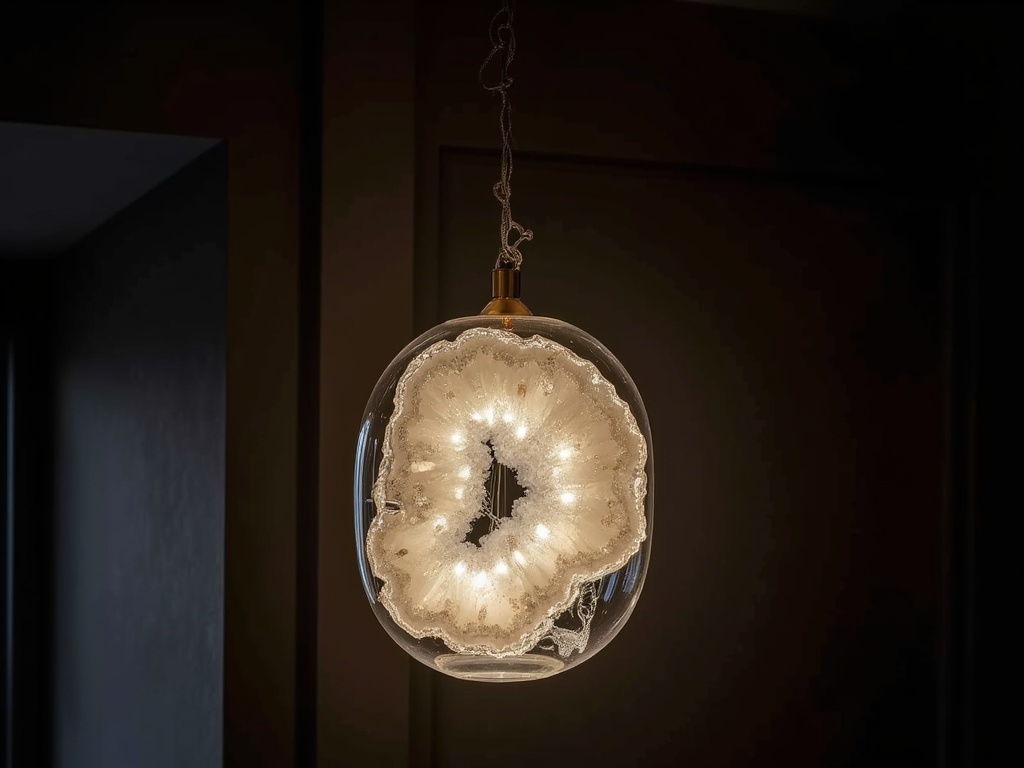
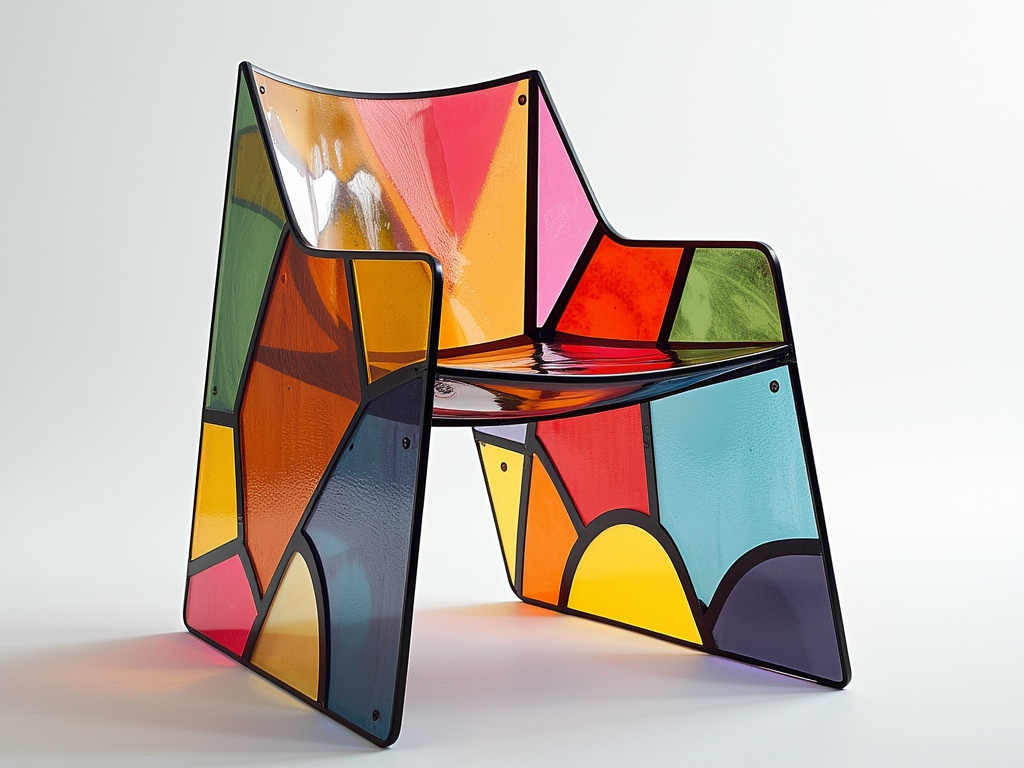
Designs created by study participants through crossover and mutation of style genes. Hover over any image to see which genes were combined. In the main tasks, participants designed handbags and sneakers. In the free creation task, they chose their own product categories.